Brick and Stone Flatwork Repair vs. Replacement for Commercial Properties
For commercial properties, local contractors can help determine whether brick and stone flatwork repair or replacement best restores safety and appearance.
Understanding the differences between brick and stone flatwork repair versus replacement is essential for commercial property owners looking to maintain the integrity and appearance of their outdoor spaces. Whether dealing with cracks, spalling, or uneven surfaces, property owners in the area often explore repair options as a practical way to extend the lifespan of existing flatwork without the need for full replacement. This approach can help preserve the original craftsmanship and reduce disruptions, making it a popular choice for those seeking cost-effective and efficient solutions. Local contractors specializing in brick and stone flatwork repair can assess the condition of existing surfaces and recommend the most suitable course of action, ensuring that repairs blend seamlessly with the existing structure.
For many commercial property owners, choosing between repair and replacement hinges on factors like the extent of damage, the age of the flatwork, and long-term goals for the property. Repair services provided by experienced local service providers offer a way to address specific issues while maintaining the aesthetic appeal of brick and stone surfaces. When damage is localized or minor, repair can often restore the surface’s functionality and appearance without the need for costly and invasive replacement. Keep reading to learn more about how local contractors can help evaluate your flatwork and determine whether repair or replacement is the best path forward for your commercial property.
- Cracked or uneven brick and stone flatwork - when deterioration affects safety or appearance, local contractors can assess whether repair or replacement is appropriate.
- Surface spalling or chipping - if the surface shows signs of damage, service providers can determine if targeted repairs will restore integrity or if full replacement is needed.
- Minor cracks or aesthetic issues - for small cracks or surface imperfections, local pros often recommend repair solutions to preserve the existing flatwork.
- Severe structural damage or large-scale failure - in cases of significant damage, contractors may advise replacement to ensure long-term stability and safety.
- Efflorescence or staining - when surface discoloration occurs, service providers can suggest repair options that address cosmetic concerns without unnecessary replacement.
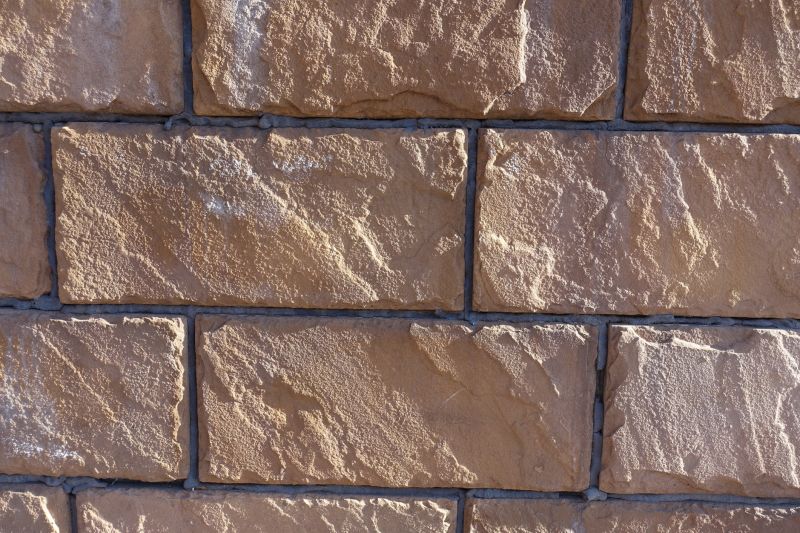
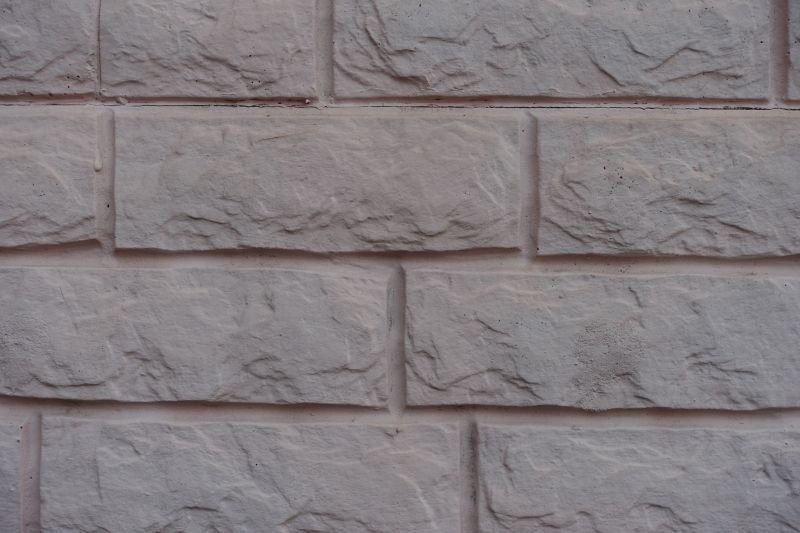
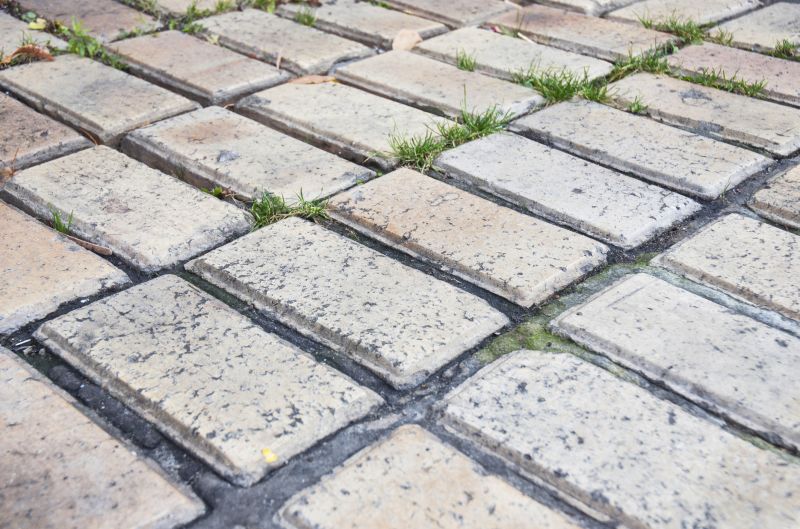
When people search for brick and stone flatwork repair versus replacement for commercial properties, they are usually trying to determine the most effective way to address issues with existing flat surfaces such as walkways, patios, or loading areas. These surfaces are often made from brick or stone materials that form a durable, attractive foundation for various business-related outdoor spaces. Property owners typically want to understand whether repairing damaged sections or replacing entire slabs makes more sense for maintaining safety, appearance, and long-term durability. The decision often hinges on factors like the extent of damage, the age of the flatwork, and the overall condition of the materials involved.
This topic relates closely to common problems encountered with commercial flatwork, including cracks, uneven surfaces, loose or sinking bricks and stones, and surface deterioration caused by weather or heavy use. Many property owners plan repairs or replacements when these issues threaten safety or hinder the functionality of outdoor spaces. For instance, a cracked walkway might pose tripping hazards, prompting a need for repair, while extensive damage across a large area could lead to a full replacement. Local contractors specializing in brick and stone flatwork are equipped to assess these problems and recommend the most appropriate solution based on the specific condition and future needs of the property.
The types of properties that frequently come up in discussions about brick and stone flatwork repair versus replacement include commercial buildings such as retail stores, office complexes, industrial facilities, and hospitality venues. These properties often feature outdoor walkways, patios, loading zones, or decorative plazas that require sturdy, visually appealing surfaces. The age and design of these properties can influence the choice between repair and replacement-older buildings with historic or unique stonework might benefit from targeted repairs to preserve character, while newer properties with widespread damage might lean toward replacement to restore safety and function more efficiently.
Understanding when to opt for repair or replacement depends on the severity and scope of damage, as well as the long-term goals for the property. Local service providers experienced in brick and stone flatwork can evaluate the condition of existing surfaces and advise on the most practical approach. Repair work typically involves fixing cracks, resetting loose bricks or stones, and patching damaged areas, which can be a cost-effective way to extend the life of flatwork. Replacement, on the other hand, might be necessary when the damage is extensive or the surface has become unsafe or unsightly. Connecting with local pros ensures that property owners receive tailored guidance and quality workmanship to keep outdoor spaces safe, functional, and visually appealing.
Concrete paving restoration involves repairing and restoring existing concrete surfaces, sharing skills in surface assessment and repair planning similar to brick and stone flatwork repair vs. replacement for commercial properties.
Flagstone and paver installation requires precise planning and skilled craftsmanship, paralleling the expertise needed for assessing whether repair or replacement is appropriate for brick and stone flatwork.
Mortar joint repointing involves restoring the integrity of masonry joints, which relates closely to the repair techniques used in brick and stone flatwork maintenance versus full replacement.
Surface sealing and waterproofing is essential for protecting masonry surfaces, a process that complements repair strategies for brick and stone flatwork in commercial settings.
Concrete crack repair focuses on identifying and fixing structural issues, similar to evaluating damage in brick and stone flatwork to determine if repair or replacement is best.
Stone veneer installation involves working with natural and manufactured stone, requiring skills applicable to assessing and restoring stone flatwork on commercial properties.
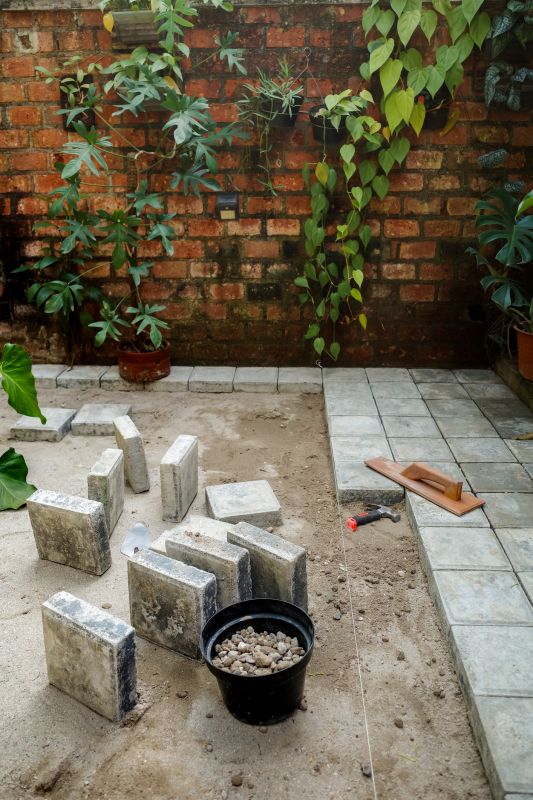
When comparing service providers for brick and stone flatwork repair versus replacement on commercial properties, it’s important to evaluate their experience with similar projects. Contractors who have handled comparable repair or replacement jobs can better understand the unique challenges of commercial settings, such as high traffic or load-bearing requirements. Asking about their past work with brick and stone flatwork on commercial sites can provide insight into their familiarity with the materials and techniques necessary to achieve durable, long-lasting results.
Clear, written expectations are essential when choosing a contractor for brick and stone flatwork services. Service providers should be able to outline the scope of work, the materials they plan to use, and the steps involved in either repair or replacement. Having these details in writing helps ensure there is a mutual understanding of the project’s objectives and reduces the potential for misunderstandings or surprises. This documentation can also serve as a reference throughout the project, promoting transparency and accountability.
Reputable references and effective communication are key factors in selecting the right contractor. Service providers with positive references from previous commercial clients demonstrate their reliability and quality of work. Additionally, a contractor’s ability to communicate clearly and promptly can make the process smoother, allowing property owners to stay informed and address any concerns as they arise. Prioritizing these qualities can help ensure the project proceeds efficiently and results in a finished product that meets the needs of the commercial property.
Property owners often search for brick and stone flatwork repair vs. replacement for commercial properties when they are planning practical projects around their homes and businesses. Local pros provide Brick and Stone Flatwork Repair services for everyday jobs and straightforward project options.
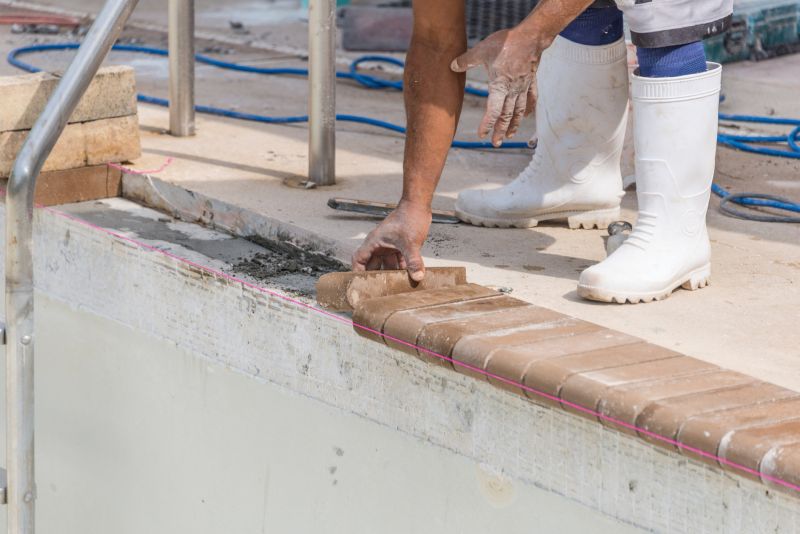
When managing a commercial property, understanding the differences between brick and stone flatwork repair versus replacement is a common concern for property owners. Over time, cracks, settling, or surface deterioration can impact walkways, patios, and other flat surfaces, prompting questions about whether repairs can restore the area or if a full replacement is necessary. Local contractors who specialize in brick and stone flatwork can assess the condition of existing surfaces and recommend repair options that preserve the original materials and structure, often providing a more cost-effective and quicker solution compared to replacement.
Property owners often look into repair versus replacement to minimize disruption and keep their properties looking maintained. Repair services typically address specific problem areas, such as filling cracks or replacing damaged sections, helping to extend the lifespan of the flatwork without the need for complete overhaul. When repairs aren’t feasible or the damage is extensive, local service providers can handle full replacements, ensuring the new flatwork matches the existing aesthetic and meets the property’s functional needs. Consulting with experienced contractors can help determine the most practical approach for maintaining the integrity and appearance of commercial flatwork surfaces.
What is the main difference between repair and replacement for brick and stone flatwork in commercial properties? Repair involves fixing specific damaged areas, such as cracks or loose stones, while replacement entails removing and installing new brick or stone surfaces when damage is extensive or repairs are no longer effective.
When should property owners consider repair instead of replacement for brick and stone flatwork? Repair is suitable when damage is localized, such as small cracks or chips, and the overall structure remains stable. Replacement may be necessary if the flatwork has widespread deterioration or structural issues.
Can local contractors assess whether repair or replacement is better for my commercial property's brick and stone flatwork? Yes, experienced service providers can evaluate the condition of the flatwork and recommend whether repairs will suffice or if replacement is the more practical solution based on the extent of damage and durability considerations.
Are repairs a longer-lasting solution compared to replacement for brick and stone flatwork? Repairs can extend the life of existing flatwork if damage is minimal, but in cases of significant deterioration, replacement may provide a more durable and long-term solution.
What factors do local contractors consider when advising on repair versus replacement for brick and stone flatwork? They assess the extent of damage, the age and condition of the existing flatwork, safety concerns, and the overall aesthetic and functional requirements of the commercial property to recommend the most appropriate approach.
Assessing damage for repair vs. replacement - property owners can evaluate the extent of brick and stone damage to determine if repair services are sufficient or if full replacement is necessary, with guidance from local contractors.
Choosing the right repair approach - understanding when patching or restoring existing flatwork makes sense versus opting for a complete overhaul helps in planning practical projects with local pros.
Considering long-term durability - property owners might consult local service providers to decide whether repair options will extend the lifespan of brick and stone flatwork or if replacement offers a more lasting solution.
Planning for aesthetic consistency - selecting repair or replacement methods that match the existing brick and stone work ensures a cohesive look for commercial properties, with local contractors helping achieve the desired appearance.
If you are thinking about brick and stone flatwork repair vs. replacement for commercial properties for a property, this guide is meant to help you understand this topic, the typical project types, and how different options might fit your plans.
When you are ready, you can use the quote form on this page to share a few details about your project. From there, local pros can review the basics and follow up with options that match what you have in mind.